




The History of Stagecoaches in Chagrin Falls
Early Transportation in Northeast Ohio
Long before railroads transformed travel across Ohio and Pennsylvania, stagecoaches served as one of the most important transportation links between major communities. During the 1820s, regular stagecoach line connected Cleveland and Pittsburgh, providing a vital route for passengers, mail delivery, and commerce.
Daily Stagecoach Service Between Cleveland and Pittsburgh
By the 1820s, travelers could take advantage of daily stagecoach departures between Cleveland and Pittsburgh. The route was served by three competing stagecoach companies, each vying for passengers and government mail contracts.
Among the most notable operators was the Pioneer Stage Company, which offered regular service along the busy corridor. Competition among the stage lines helped establish dependable schedules and improved service for travelers moving between Ohio and Pennsylvania.
A 30-Hour Journey Through the Frontier
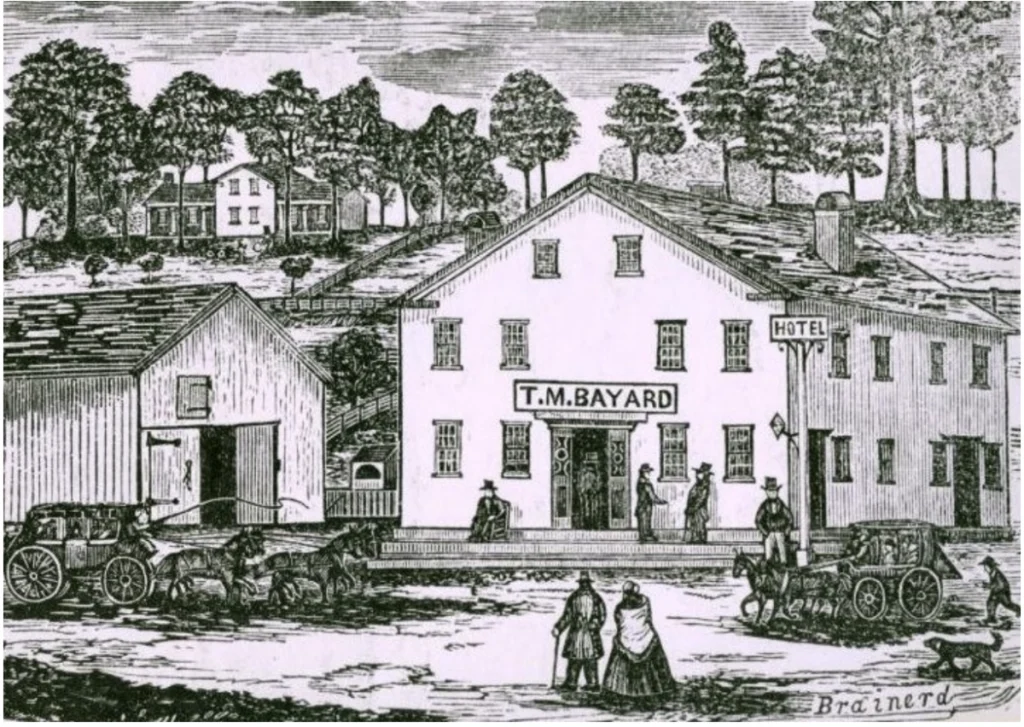
Traveling from Cleveland to Pittsburgh was far different from modern transportation. It was a day’s ride from Cleveland to Chagrin Falls. When the stagecoach arrived in Chagrin Falls, coming down the steep Grove Hill, the passengers would disembark and settle in for the night at the Bayard Tavern.
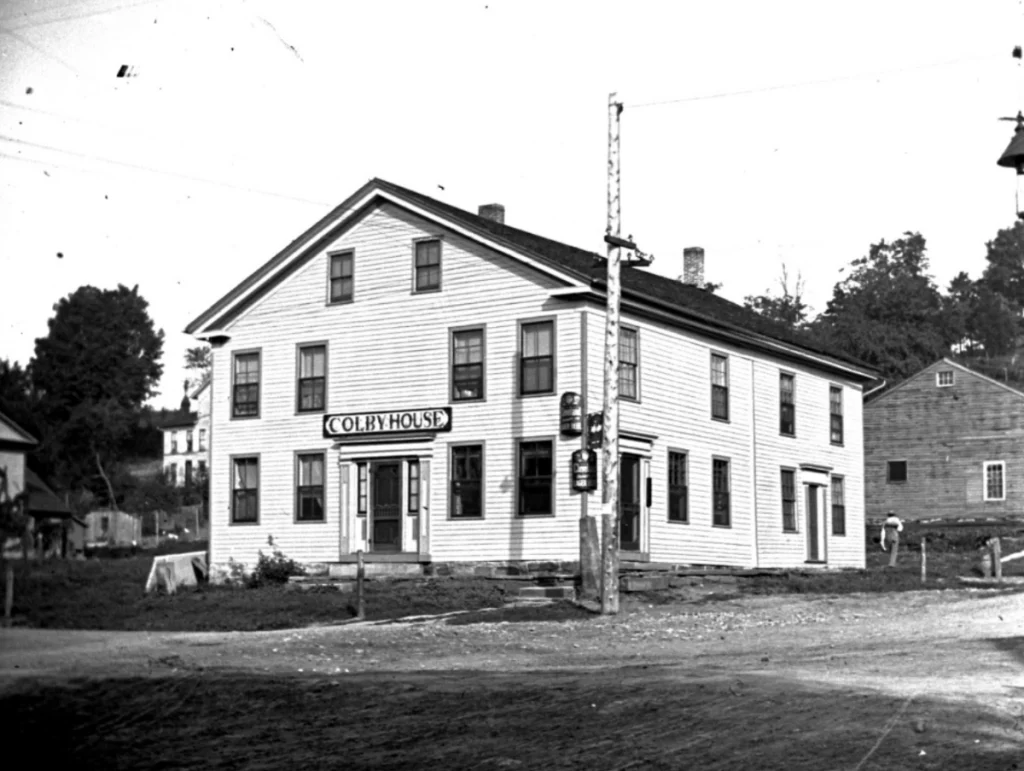
Here they would be fed, and cots were put on the tavern floor for them to sleep on. In the morning they would have breakfast then travel another day’s ride to Warren, Ohio and then on to Pittsburgh. The journey required approximately 3 days and 30 hours of travel, making it a lengthy but essential trip for businesspeople, settlers, and government officials.
Passengers traveled over rough roads that were often muddy, dusty, or difficult to navigate depending on weather conditions. Despite these challenges, stagecoaches provided one of the fastest and most reliable means of long-distance travel available during the early nineteenth century.
The Cost of Travel in the 1820s
A ticket for the stagecoach journey from Cleveland to Pittsburgh cost approximately $3 in the 1820s (approximately $85 dollars in 2026). The fare covered transportation along the entire route and reflected the standard rates of the period.
In addition to carrying passengers, stagecoaches transported mail, newspapers, and small parcels, making them a critical part of the region’s communication network. The movement of mail helped connect residents with news, government information, and business opportunities throughout the expanding nation.
The Importance of Stagecoaches to Regional Development
Stagecoach lines played a crucial role in the growth of both Cleveland and Pittsburgh. Before the arrival of railroads, these routes enabled trade, encouraged migration, and strengthened connections between communities throughout the region.
The transportation network helped support local businesses, inns, taverns, blacksmith shops, and other services that catered to travelers along the route. Many communities benefited economically from their location on important stagecoach roads.
The End of the Stagecoach Era
The golden age of stagecoach travel was relatively short-lived. Beginning in the 1850s, railroads rapidly expanded across Ohio and Pennsylvania, offering travelers a much faster, safer, and more comfortable alternative.
As railroad lines connected Cleveland, Pittsburgh, and numerous intermediate communities, stagecoach traffic steadily declined. By the late nineteenth century, rail transportation had largely replaced long-distance stagecoach travel, marking the end of an important chapter in American transportation history.
Although stagecoaches eventually disappeared from the region’s transportation system, they played a significant role in the development of Northeast Ohio and Western Pennsylvania. The daily routes between Cleveland and Pittsburgh helped connect people, businesses, and communities during a formative period of American history.
Today, the story of stagecoach travel serves as a reminder of the challenges and determination of early travelers who journeyed across rough roads long before the arrival of modern transportation.