



History of the Chagrin Falls Airport: A Look Back at Local Aviation
The history of the Chagrin Falls Airport reflects an exciting period in American aviation, when flying became more accessible and communities across the country began developing local airfields. Located on Bell Road in South Russell, Ohio, just east of Chagrin Falls, the airport became a gathering place for pioneering aviators, aviation enthusiasts, and thousands of spectators during the early 1930s.
From its spectacular grand opening in 1932 to its role in training civilian and military pilots, the Chagrin Falls Airport played a memorable part in the region’s aviation history.
The Origins of Chagrin Falls Airport in the Early 1930s
During the late 1920s and early 1930s, airplanes became increasingly accessible to private individuals, and communities throughout the United States began establishing airports to support the growing interest in aviation.
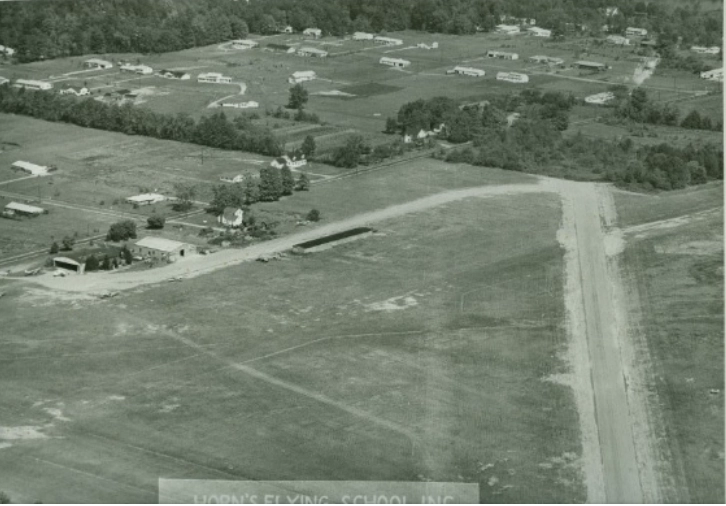
In the Chagrin Falls area, local aviators leased a portion of a field owned by Albert Warren on Bell Road in South Russell. Recognizing the potential benefits of aviation for the community, the Village Council decided in 1932 that an airfield would be a valuable addition to the area.
Plans moved forward, and the Chagrin Falls Airport officially opened on July 10, 1932, marking an important milestone in the development of local aviation.
The Grand Opening of Chagrin Falls Airport on July 10, 1932
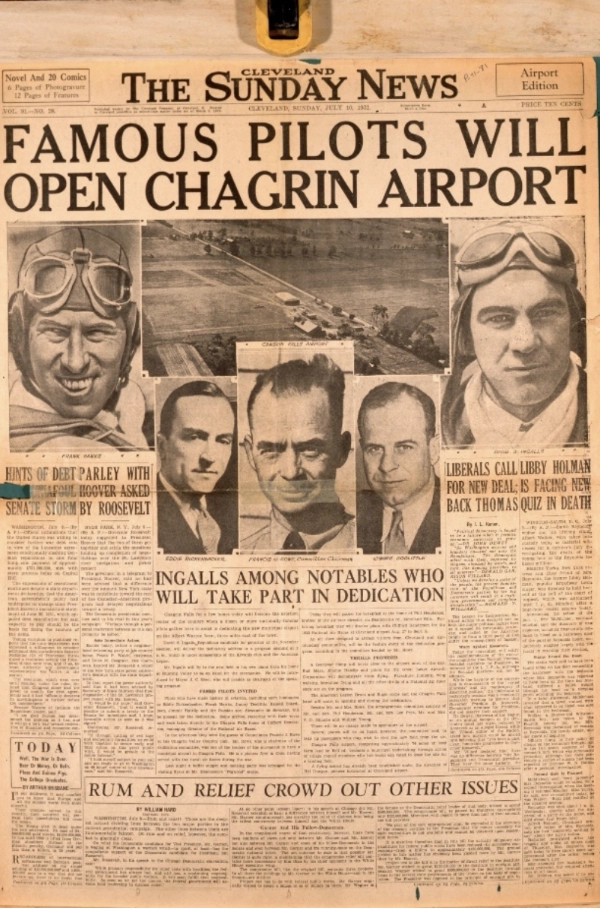
The airport’s dedication ceremony on July 10, 1932, attracted an extraordinary crowd and brought some of the most celebrated aviators of the era to the Chagrin Falls area.
According to a contemporary newspaper account, an estimated 10,000 people attended the event, and 28 aircraft visited the airport during the day. Roads were blocked for miles as spectators gathered to witness aerial demonstrations and celebrate the opening of the new airfield.
The event was officially commemorated with a special postmark. The dedication also included the dispatch of the first mail carried by airplane from the airport.
David Ingalls Delivers the Dedication Address
David Ingalls, a decorated naval aviator and World War I flying ace, flew from his home in Hunting Valley to deliver the dedication address. Speaking to the large gathering, Ingalls emphasized the importance of airports in advancing aviation and transportation.
He declared:
“Airports are the backlog of aeronautical development. It is a great tribute to the progressiveness of Chagrin Falls that your citizens are taking up this most modern form of transportation.”
The dedication service took place inside the airport’s new hangar, underscoring the community’s enthusiasm for the future of flight.
Famous Aviators Attend the Airport Dedication
The opening celebration featured an impressive lineup of well-known pilots, including Major Jimmy Doolittle, Major Alexander de Seversky, a Russian-born aviation pioneer and flying ace, and Eddie Rickenbacker, the celebrated American World War I flying ace.
Their presence brought national attention to the new airport and highlighted the growing importance of aviation in Northeast Ohio.
Spectacular Air Shows and Early Aviation Demonstrations
The dedication ceremony featured a series of aerial exhibitions that captivated the crowd and showcased the remarkable capabilities of early aircraft.
Three planes from the 112th Observation Squadron of the Ohio National Guard opened the program with a formation-flying demonstration. Major Alexander de Seversky followed with an exhibition of stunt flying in a gold-and-white biplane, performing intricate maneuvers that demonstrated the skill and daring of early aviators.
An Autogyro Demonstration Draws a Crowd
One of the day’s highlights featured James Ray of Philadelphia, described in the contemporary account as the country’s leading autogyro pilot.
Flying an unusual aircraft known as a “windmill” ship, Ray took advantage of a stiff wind to lift off with almost no running start. He climbed steeply, hovered over the field for several minutes, and then descended directly toward the ground for a smooth landing.
The demonstration offered spectators a glimpse of innovative aircraft technology at a time when aviation was advancing rapidly.
The First Airmail Flight from Chagrin Falls Airport
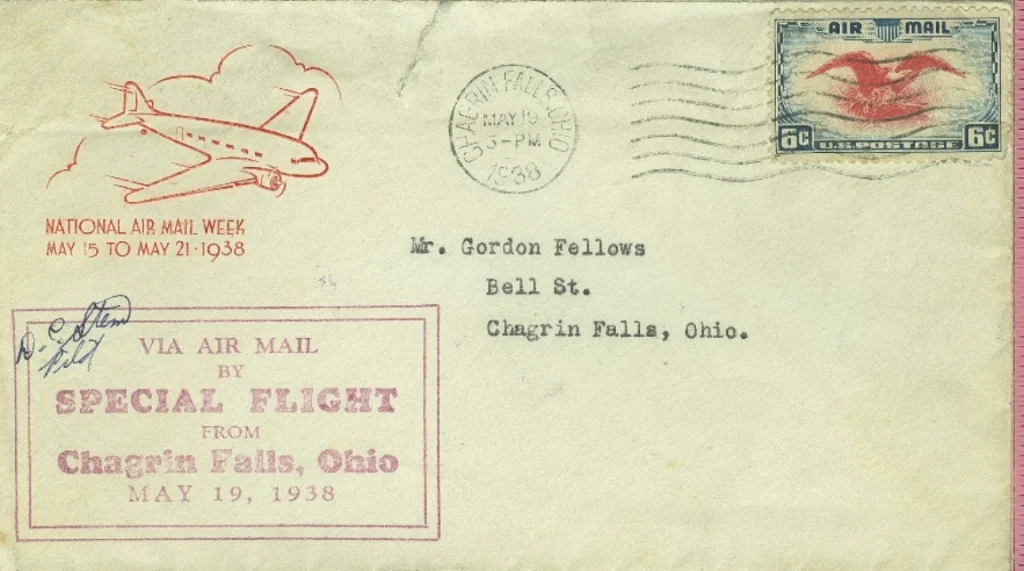
The July 10, 1932, dedication also marked an important moment in the airport’s history with the dispatch of its first airmail.
At 4 p.m., Postmaster Howard Foster sent a special pouch containing 388 letters, each associated with a commemorative dedication stamp. Pilot D.C. Stem then flew the postmaster and the mail to Cleveland Airport.
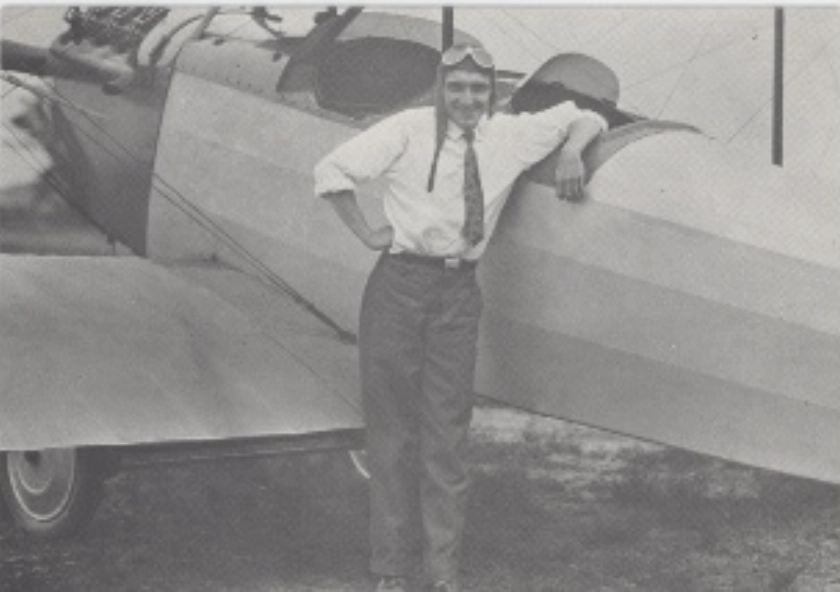
This special delivery demonstrated another practical application of the new airfield and connected the Chagrin Falls community with the expanding network of aviation-based transportation.
Despite the large crowds and numerous aerial performances, the day’s activities concluded without any serious accidents. The newspaper reported one minor incident involving a Standard Oil aircraft that nosed over in the strong wind during the morning.
The final visiting pilots departed on Monday afternoon, bringing the memorable opening celebration to a close.
The Chagrin Falls Airport During the Great Depression
In 1934, the airport grounds took on a different role during the Great Depression. A transient camp housing approximately 200 men was established at the site under National Guard supervision.
The men worked to level the airfield and install proper drainage, improving the grounds and helping maintain the airport’s usefulness.
This period illustrates how the property served not only as an aviation facility but also as a site for organized public works during a challenging era in American history.
Wilbur Horn’s Flying School and World War II Pilot Training
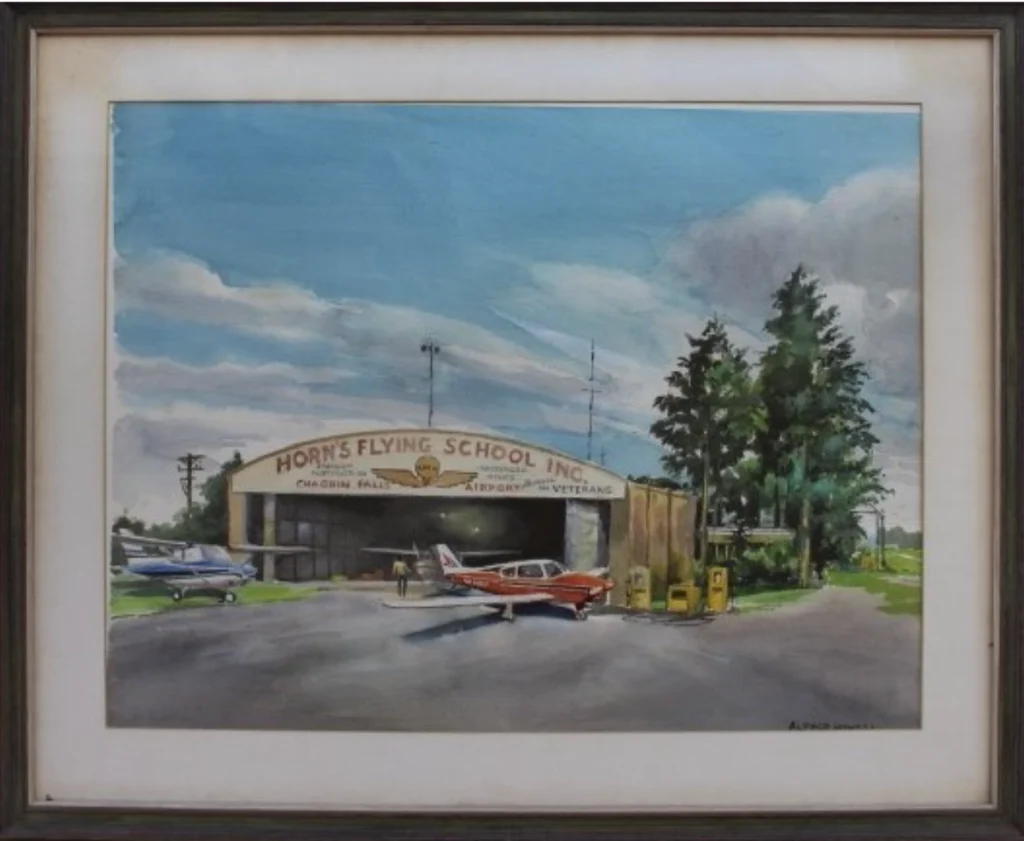
In 1940, Wilbur Horn opened a flying school at the Chagrin Falls Airport, establishing a new chapter in the airfield’s history.
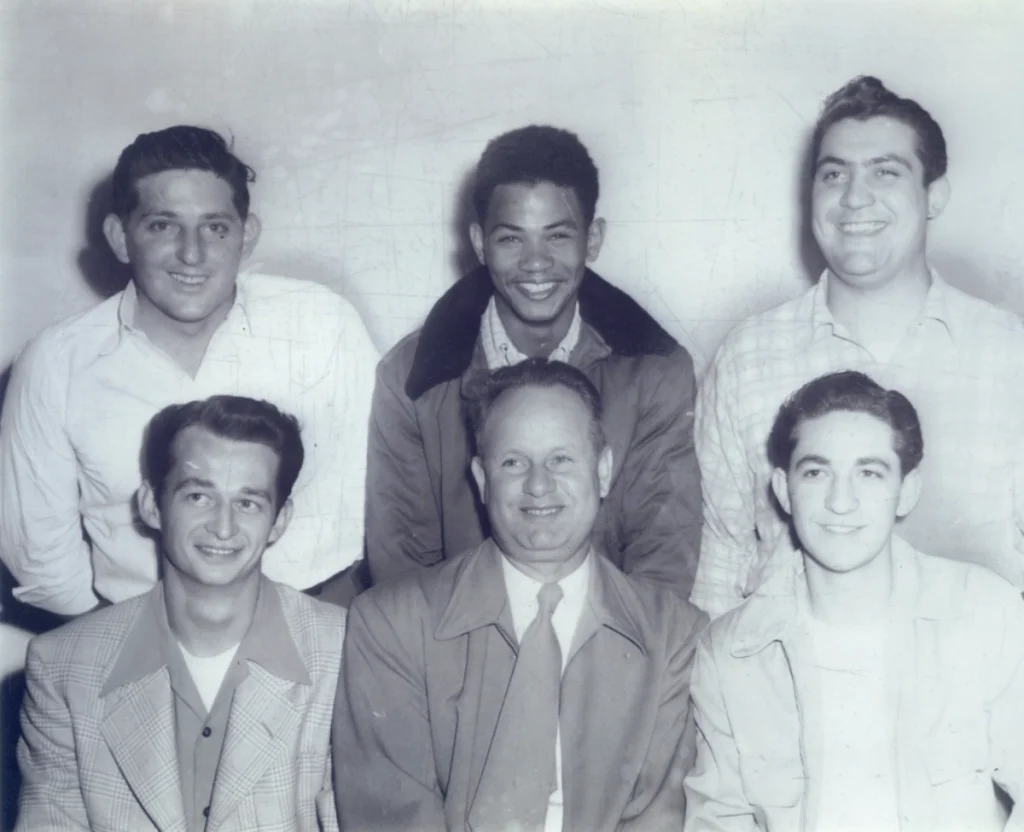
The school eventually helped prepare pilots for service with the Civil Air Patrol and the Army Air Corps. As aviation became increasingly important to national defense, the airport provided a valuable setting for developing flying skills and training aspiring pilots.
Postwar Aviation Training Under the GI Bill
Following World War II, Wilbur Horn received the first contract to train veterans for civilian aviation careers under the GI Bill.
This program helped returning service members pursue new opportunities in aviation and connected the local airport to the broader postwar expansion of civilian flight training.
Horn’s flying school became an important part of the airport’s legacy, extending its influence beyond recreational flying and into professional aviation education.
The End of the Airport and the Development of Kensington Green
After decades of aviation activity, the Chagrin Falls Airport was sold in 1979. The airfield eventually gave way to Kensington Green, the development that occupies the site today.
Although aircraft no longer take off from the property, the airport remains a significant part of the area’s local history. Its opening brought nationally recognized aviators to the community, its flying school trained generations of pilots, and its grounds reflected the changing economic and transportation needs of the twentieth century.
Remembering the Aviation History of Chagrin Falls
The story of the Chagrin Falls Airport is a reminder of a time when aviation represented innovation, adventure, and progress. From the remarkable dedication ceremony in 1932 to Wilbur Horn’s contributions to pilot training during and after World War II, the airfield played a distinctive role in the history of South Russell and the greater Chagrin Falls community.