



Early Settler, Blacksmith, and Underground Railroad Supporter
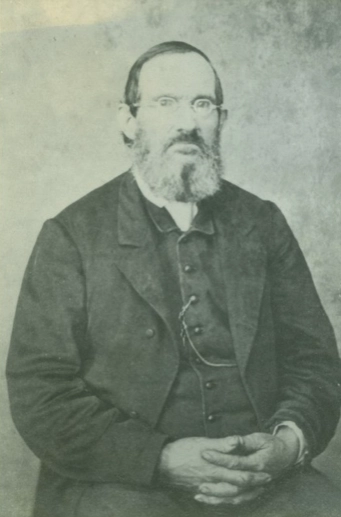
Henry Church Sr. was one of the most influential early settlers in Chagrin Falls, Ohio. A skilled blacksmith, respected community leader, and dedicated abolitionist, he helped shape the village during its formative years. As the patriarch of the prominent Church family, his contributions left a lasting mark on the history of Chagrin Falls.
From Massachusetts to the Western Reserve
Born in Amherst, Massachusetts, in 1806, Henry Church Sr. spent his early years learning the blacksmith trade. In October 1834, he and his wife, Clarissa, along with their daughters Jerusha and Jane, moved west to the young settlement of Chagrin Falls.
The move was encouraged by Noah Graves, a close friend who believed Church could play an important role in the growth of the developing community. At the time, Chagrin Falls was still a frontier settlement, offering both opportunities and hardships for new arrivals.
Building a Life in Early Chagrin Falls
The Church family faced significant challenges during their first years in Chagrin Falls. Like many pioneers, Henry struggled to establish a stable livelihood and secure a future for his family. Despite these difficulties, he earned a reputation for his kindness, humility, and willingness to help others.
Fellow residents remembered him as good-natured, approachable, and generous. His integrity and dedication to the community eventually led to his appointment as a Justice of the Peace, a position that reflected the respect he had earned among his neighbors.
A Blacksmith Who Helped Build the Village
As one of Chagrin Falls’ earliest blacksmiths, Henry Church Sr. played a vital role in the village’s development. His craftsmanship served local farmers, merchants, and residents, helping the growing community prosper.
Among his notable contributions was the construction of the frame for the Irving House, one of the village’s most important early hotels. The building became a central landmark and gathering place in downtown Chagrin Falls.
Henry also passed his trade to the next generation. He taught his three sons—Henry Jr., Austin, and Royal—the blacksmith profession. All three remained in Chagrin Falls and spent many years providing essential blacksmith services to local residents.
Henry Church Sr. and the Underground Railroad
One of the most remarkable aspects of Henry Church Sr.’s and his family was their unwavering opposition to slavery. A committed abolitionist, he and his wife Clarissa opened their home to freedom seekers traveling north on the Underground Railroad.
Historical accounts document that the Church family sheltered a runaway slave who had escaped from the plantation of Henry Clay, the prominent Kentucky statesman and one of the architects of the Fugitive Slave Act of 1850.
According to local tradition, Henry Church Sr. boldly wrote a letter to Clay informing him that the escaped individual had spent the night in Chagrin Falls. Church reportedly remarked that he had conveniently forgotten about Clay’s Fugitive Slave laws. No record exists of Clay ever responding to the letter.
The Church family’s commitment to freedom came with personal sacrifices. Their children often shared food and resources with those seeking refuge, helping establish a legacy of generosity and compassion that would become a defining characteristic of the Church family.
Raising a Family and Establishing a Legacy
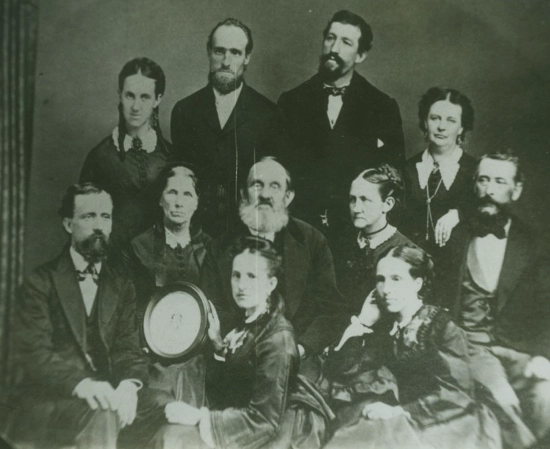
While living in Chagrin Falls, Henry and Clarissa expanded their family, welcoming three sons—Henry Jr., Austin, and Royal—and two daughters, Flora and Clara.
The values of hard work, community service, and compassion that Henry and Clarissa instilled in their children continued through future generations. The Church family became well known throughout the village for both their skilled craftsmanship and their civic contributions.
Death and Lasting Impact on Chagrin Falls
Henry Church Sr. passed away in 1878 after more than four decades of service to the Chagrin Falls community. By the time of his death, he had established a family legacy deeply woven into the village’s history.
Remembered as a pioneering blacksmith, respected public servant, and courageous abolitionist, Henry Church Sr. helped shape the character of early Chagrin Falls. His contributions to the community, support of the Underground Railroad, and dedication to helping others continue to make him one of the village’s most notable early residents.