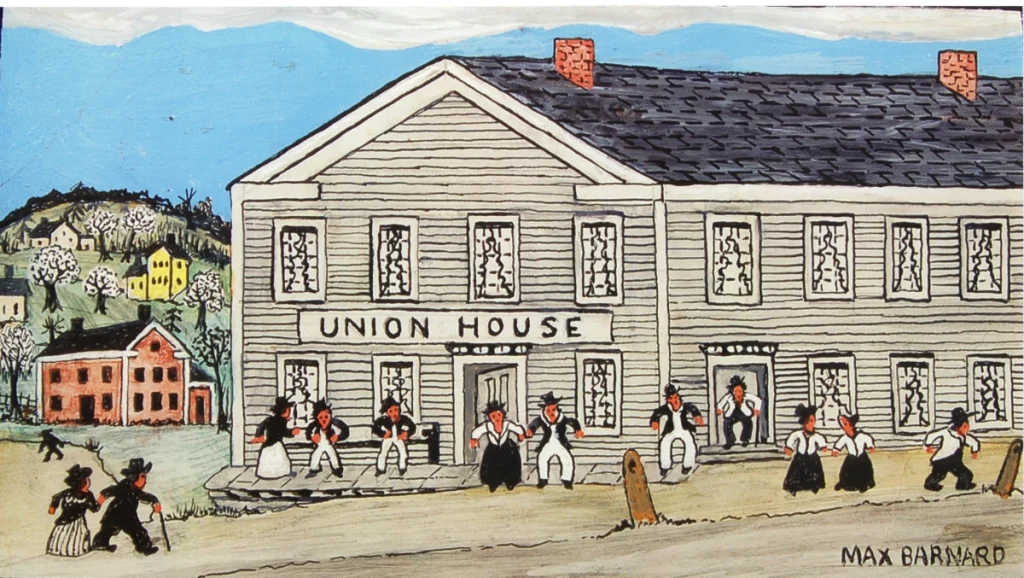

Max Barnard (1884–1978) was a self-taught primitive artist and folk painter whose work captured the people, landscapes, and rural traditions of Northeast Ohio. Best known for his paintings of Amish life and historic Chagrin Falls residents, Barnard created thousands of artworks using unconventional materials and techniques. Today, he is remembered as one of the region’s most distinctive local artists and visual historians.
Early Life and Career
Born in 1884, Max Barnard began working at an early age as a house painter and paper hanger. He painted many of the Victorian-era homes throughout Chagrin Falls, Ohio, helping preserve and beautify the village’s historic architecture.
Although he had no formal artistic training, Barnard developed a natural talent for drawing and painting. His years as a craftsman and keen observer of daily life would later influence the unique style and subject matter of his artwork.
Artistic Style and Inspiration
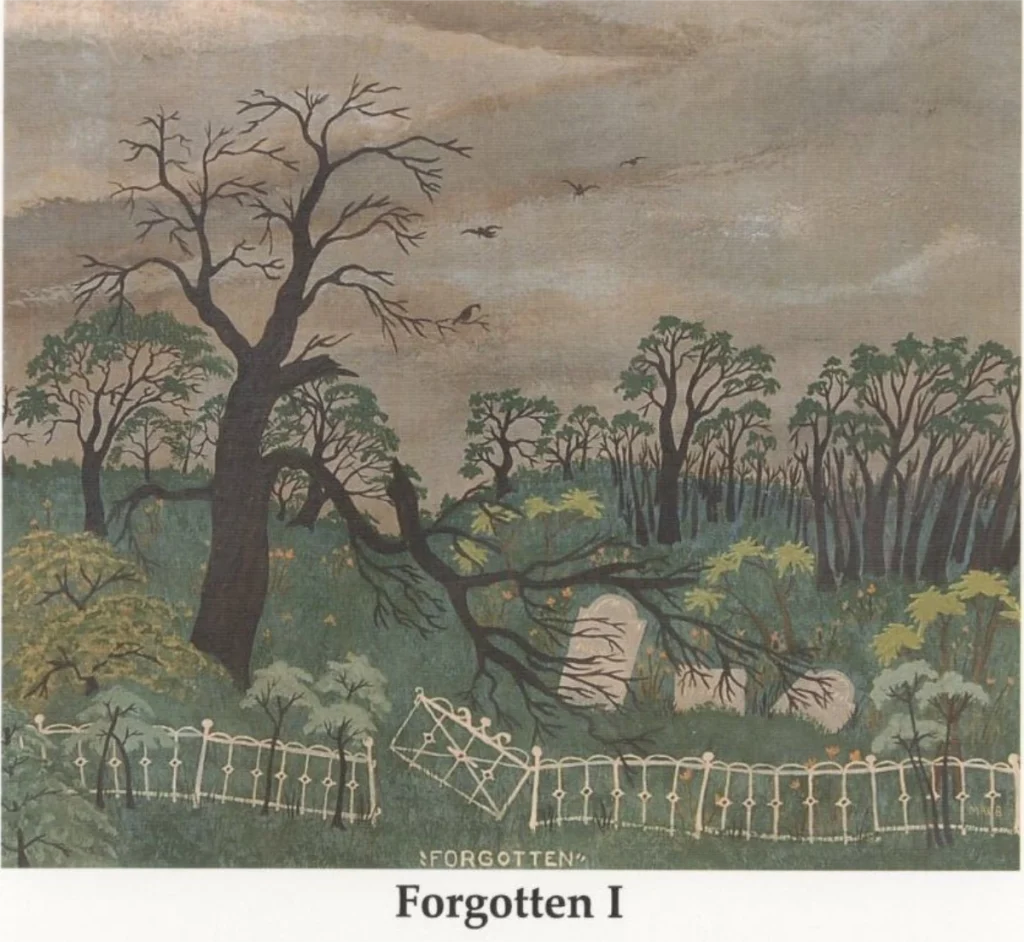
Barnard is often classified as a primitive or folk artist due to his self-taught techniques and distinctive approach to composition. He worked in a variety of media and frequently painted on unconventional surfaces, including window shades and other everyday materials.
A major source of inspiration for Barnard was the Amish community of Ohio. Many of his paintings depict Amish men, women, and children engaged in everyday activities, offering a charming and authentic glimpse into rural life during the early twentieth century.
Paintings, Drawings, and Creative Works
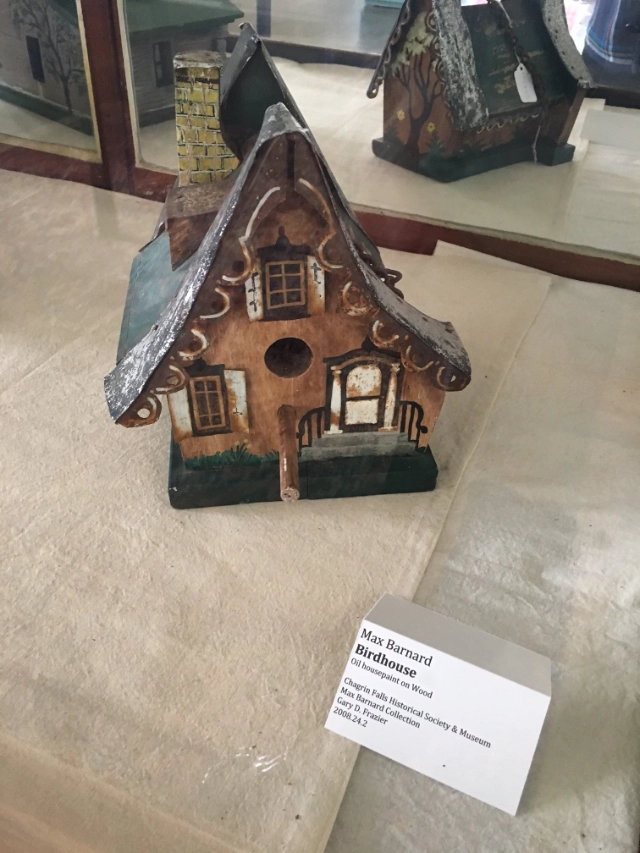
While painting became Barnard’s primary focus in his later years, his creativity extended far beyond canvas. He also crafted:
- Decorative birdhouses
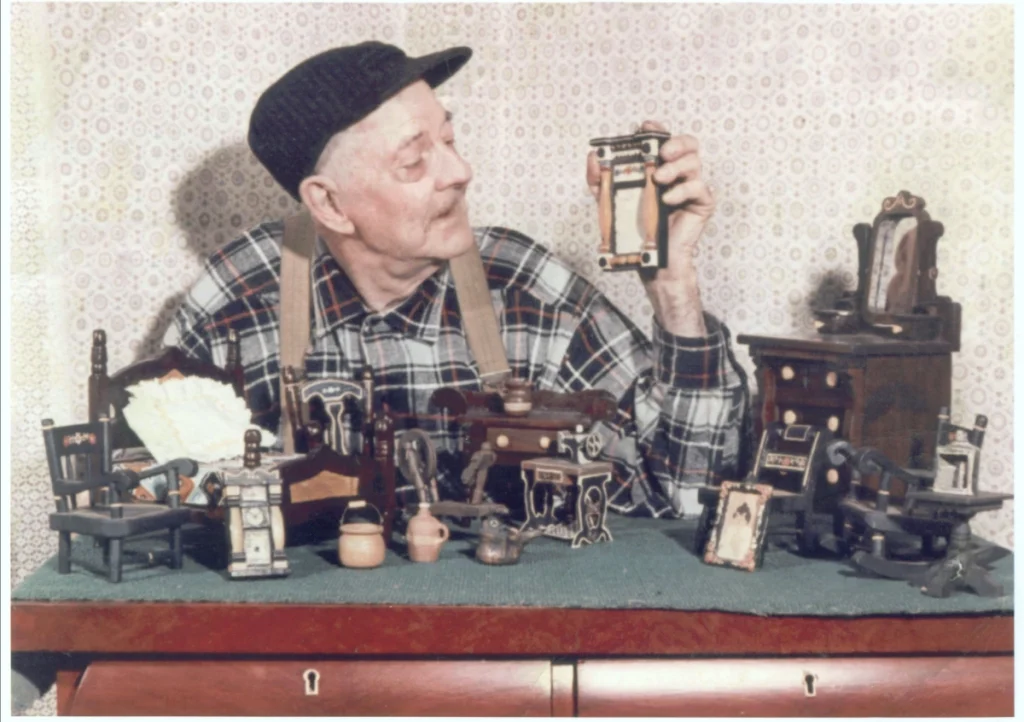
- Doll furniture
- Weathervanes
- Handcrafted folk-art objects
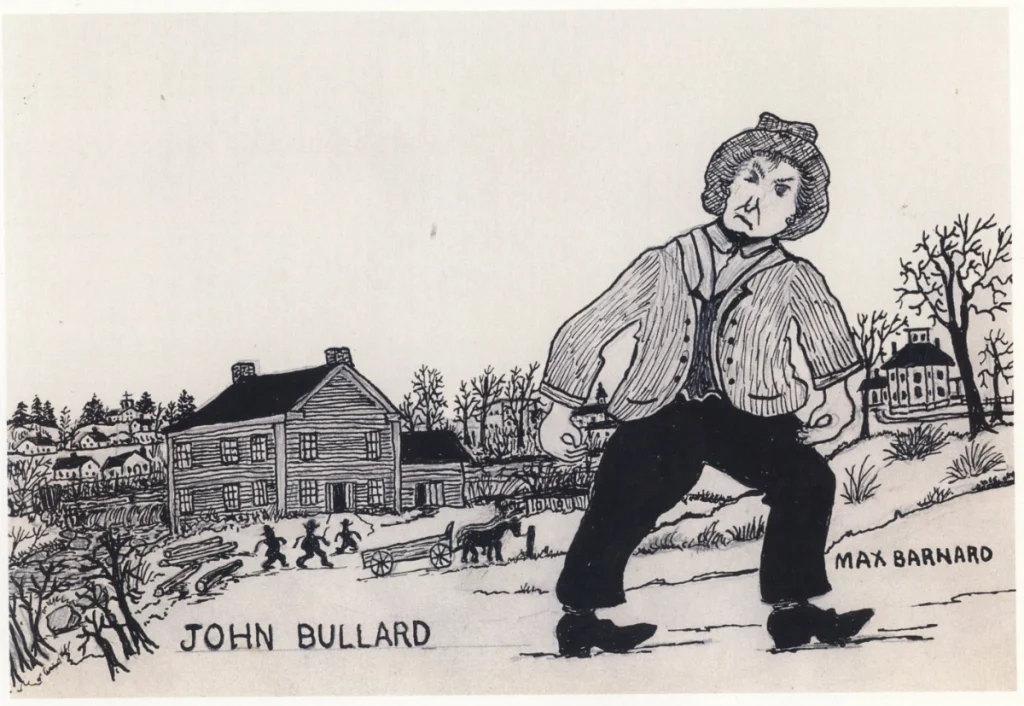
In addition to his paintings, Barnard was highly regarded for his pen-and-ink drawings and caricatures. His remarkable memory and observant eye allowed him to create detailed sketches of Chagrin Falls residents, many of whom he had known decades earlier. These caricatures, produced during the 1940s, vividly captured the personalities and character of local residents from 40 to 50 years before.
His extensive body of work serves as an important visual record of the people, traditions, and community life of historic Chagrin Falls.
Awards and Exhibitions
Max Barnard received significant recognition during his artistic career. In 1954, he won First Prize at the prestigious Cleveland May Show for a painting created on a window shade, demonstrating both his originality and technical skill.
His artwork was later featured in several exhibitions, including:
- Chagrin Valley Art Club exhibition (1973)
- Heartland Museum in Harvard, Massachusetts (1986)
Over a period of nearly three decades, Barnard produced more than 2,000 works of art, often using ordinary house paint as his primary medium. His sketchbooks of pen-and-ink drawings documenting Chagrin Falls residents remain valuable historical and artistic resources.
Legacy and Historical Significance
Today, Max Barnard is remembered as an important Ohio folk artist whose work preserves the history and character of Chagrin Falls and the surrounding region. Through his paintings, drawings, and handcrafted creations, he documented a disappearing way of life and celebrated the people and places he loved.
His artwork continues to be appreciated by collectors, historians, and residents interested in local history, Amish culture, and American folk art.
Death and Burial
Max Barnard died in Millersburg, Ohio, in 1978. He was laid to rest in Chagrin Falls, the community that inspired much of his life’s work. At the time of his death, he was survived by his granddaughter, Beverly Myers.