


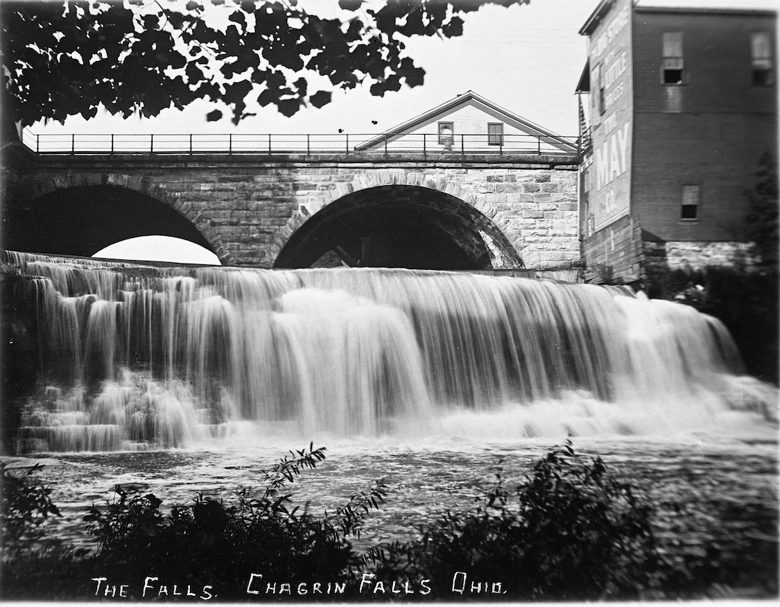

History of Mechanics Row in Chagrin Falls, Ohio
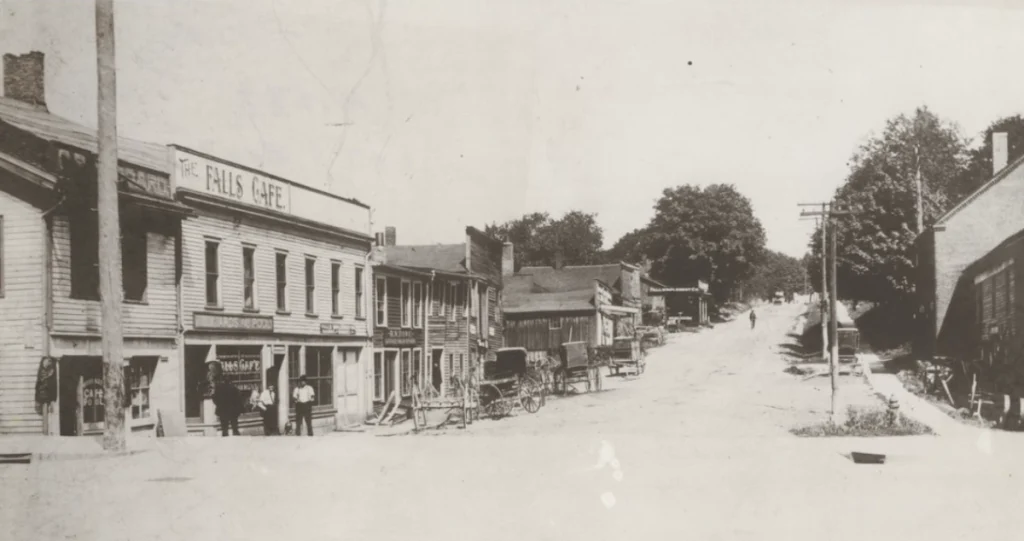
What Was Mechanics Row?
Mechanics Row was an important part of the early history of Chagrin Falls, Ohio. Originally known as Front Street, this historic area extended from what is now the intersection of Bell and Main Streets to the intersection of Bell and Vincent Streets.
During the village’s early years, Mechanics Row served as a center for skilled tradespeople and craftsmen whose work helped support the growing community. Blacksmiths, furniture makers, and wagon shops occupied the area, providing essential goods and services to local residents.
The Skilled Trades That Built Early Chagrin Falls
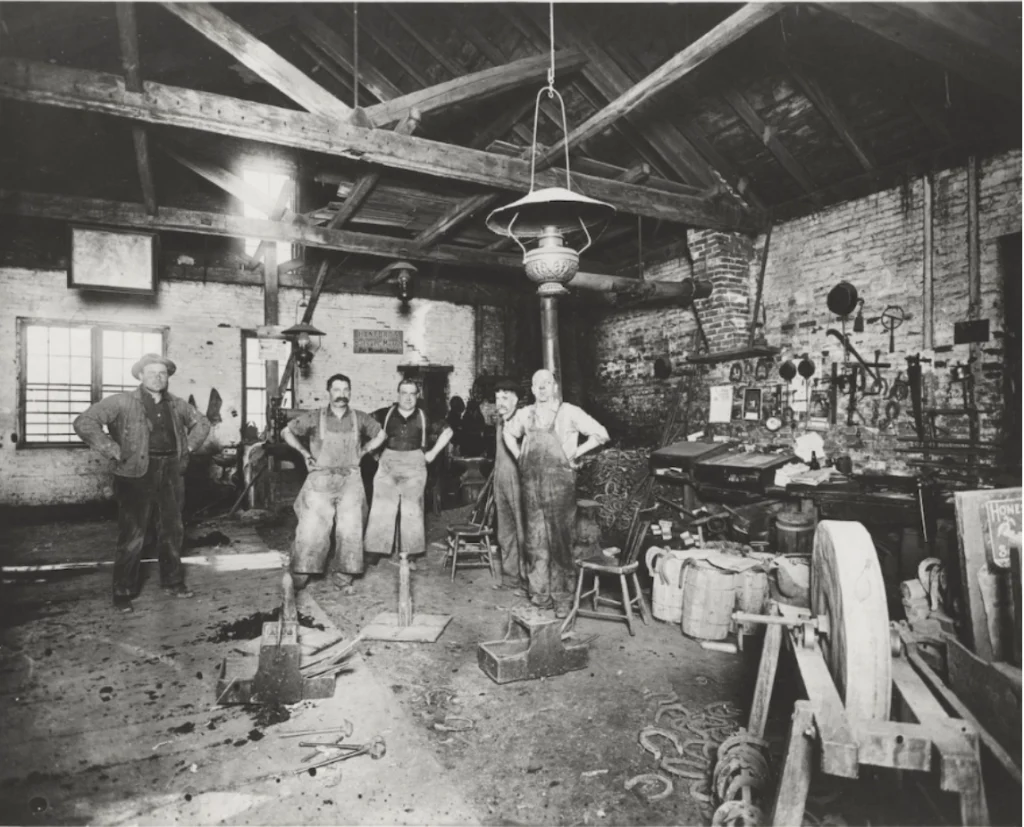
In the nineteenth century, the term “mechanics” referred to people who worked with their hands to make and repair products. These skilled workers played a vital role in the development of early American communities.
On Mechanics Row, blacksmiths forged and repaired metal goods, furniture makers crafted household furnishings, and wagon shops built and maintained the vehicles needed for transportation and commerce.
These businesses helped establish Chagrin Falls as a developing village, supporting the everyday needs of its residents and contributing to the growth of the local economy.
The Farmers and Mechanics Journal: An Early Village Publication
The importance of agriculture and skilled trades in early Chagrin Falls was reflected in one of the first publications printed in the settlement: the Farmers and Mechanics Journal.
Edited by C. T. Blakeslee and Jehu Brainerd, the journal carried the byline “Dedicated to the Agricultural and Mechanic Arts.” It was published from August 1842 through July 1843.
Although its publication lasted only about a year, the Farmers and Mechanics Journal offers valuable insight into the early development of the community. Chagrin Falls was incorporated as a village in 1844, shortly after the journal ceased publication.
The publication provides a historical connection between the village’s agricultural roots, its skilled trades, and the people who helped shape its early identity.
The Growth of Mechanics Row in the 1800s
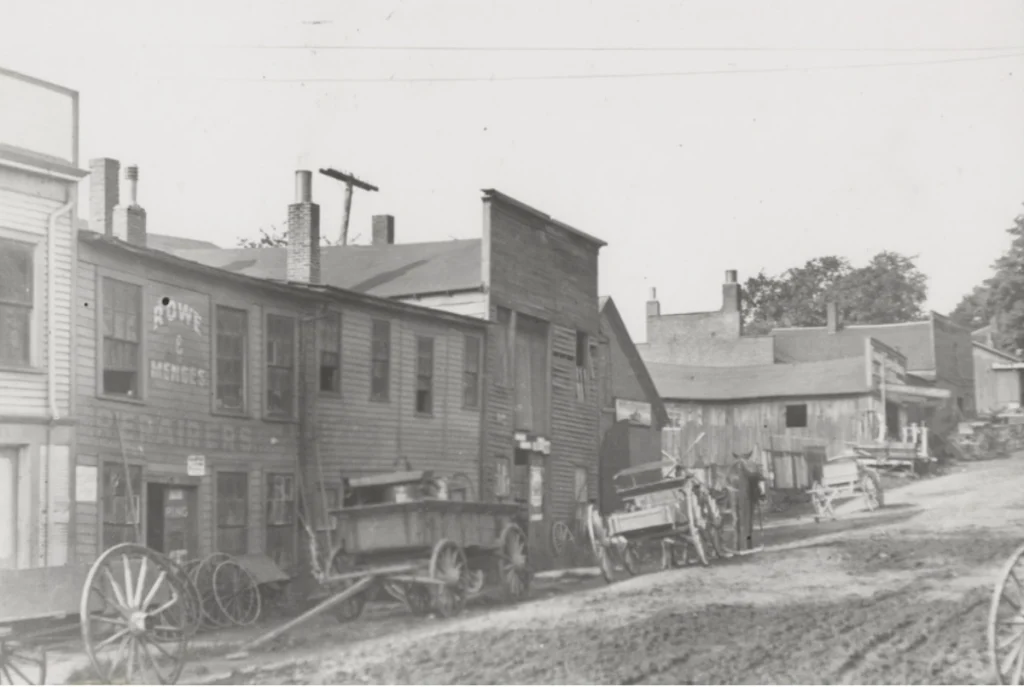
Mechanics Row remained an active and important part of Chagrin Falls throughout the first 50 to 60 years of the village’s development.
Its concentration of workshops and skilled trades reflected an era when local craftsmen were essential to everyday life. Before the widespread adoption of automobiles, wagons were a primary means of transportation, and businesses that built and repaired them were in demand.
Along with blacksmiths and furniture makers, these tradespeople helped sustain the village as it grew during the nineteenth century.
The Automobile Era and the Decline of Mechanics Row
As automobiles began replacing horse-drawn wagons, the demand for some of the traditional trades practiced along Mechanics Row diminished.
Wagon shops and other businesses associated with the earlier transportation economy became less essential, and many of the area’s historic buildings eventually fell into disrepair.
This transition reflected a broader change in American life as new transportation technologies transformed local businesses and communities. For Mechanics Row, the shift marked the gradual decline of the commercial activity that had once made the area an important center of craftsmanship in Chagrin Falls.
Historic Mechanics Row Buildings That Remain Today
Although much of the original Mechanics Row era has disappeared, several buildings associated with its history remain standing.
The surviving buildings identified with this historic period are located at:
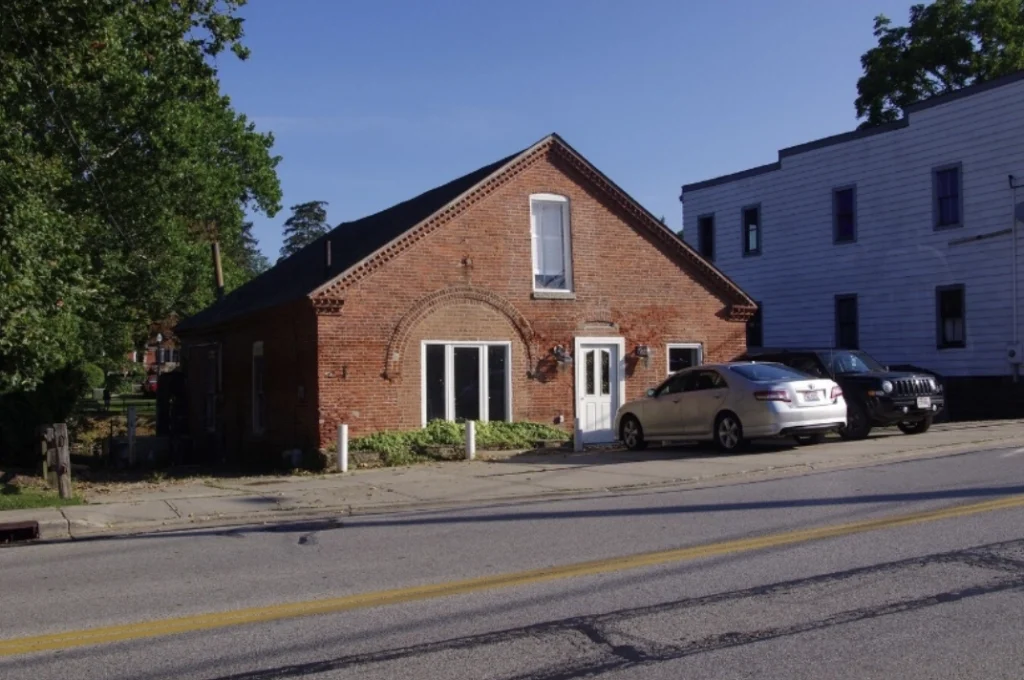
- 13 Bell Street
- 14 Bell Street
- 23 Bell Street
These buildings offer a tangible connection to the early commercial history of Chagrin Falls and the craftsmen who helped build the village.
Mechanics Row’s Place in Chagrin Falls History
The history of Mechanics Row illustrates how skilled trades, local businesses, and changing technology shaped the development of Chagrin Falls, Ohio.
From its origins as Front Street to its years as a center for blacksmiths, furniture makers, and wagon shops, Mechanics Row played an important role in supporting the growing village. The area’s eventual decline following the rise of the automobile reflects the economic changes that transformed communities across the country.
Today, the surviving buildings at 13, 14, and 23 Bell Street serve as reminders of this earlier era and of the people whose craftsmanship contributed to the history of Chagrin Falls.