


The Life of Joseph O’Malley
Joseph O’Malley was a master carpenter whose exceptional craftsmanship helped shape the architectural character of Chagrin Falls, Ohio, during the late 19th century. Born in Canada, O’Malley previously worked as a ship’s carpenter and merchant seaman before settling in Chagrin Falls in 1869. He remained in the Village until his death in 1900.
Drawing on his experience in shipbuilding and woodworking, O’Malley developed a reputation for fine craftsmanship and intricate woodwork. His contributions can still be seen in many historic homes throughout Chagrin Falls, particularly those built in the Eastlake and Italianate architectural styles.
O’Malley’s Planing Mill in Chagrin Falls
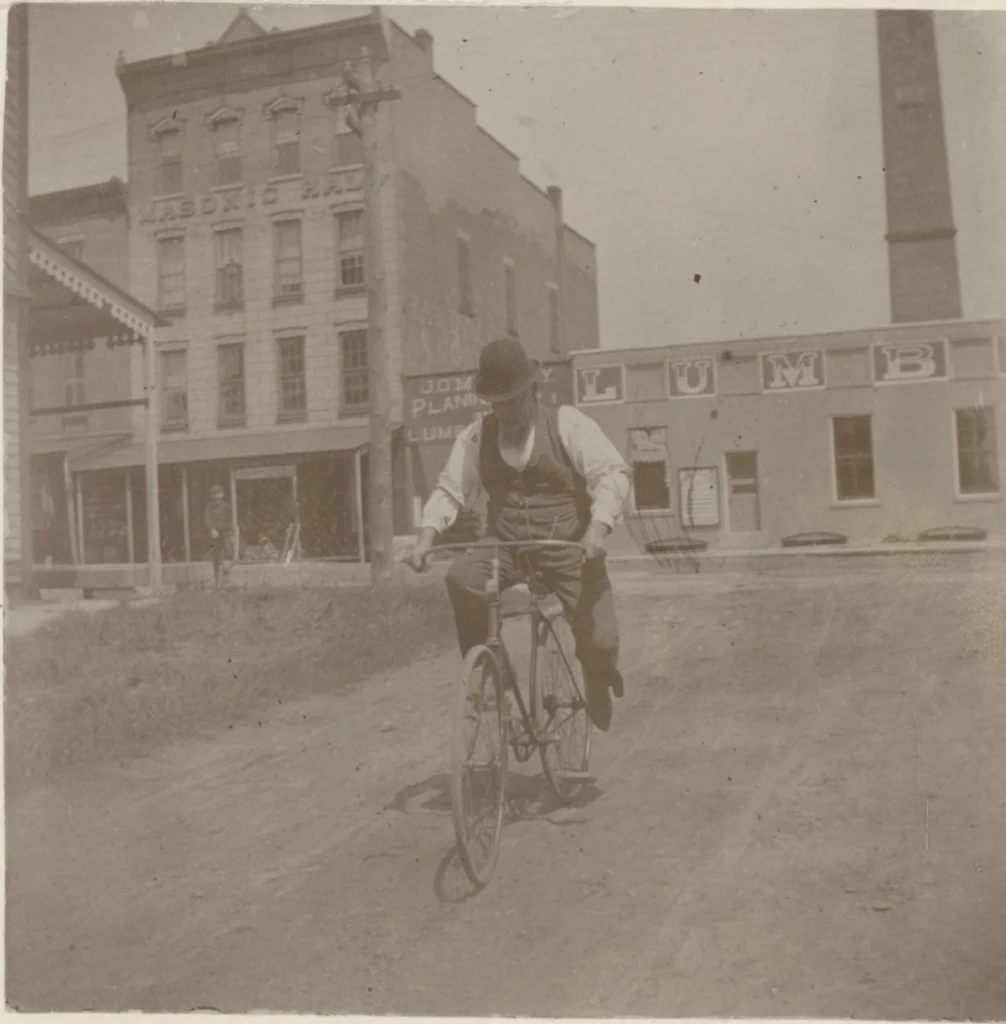
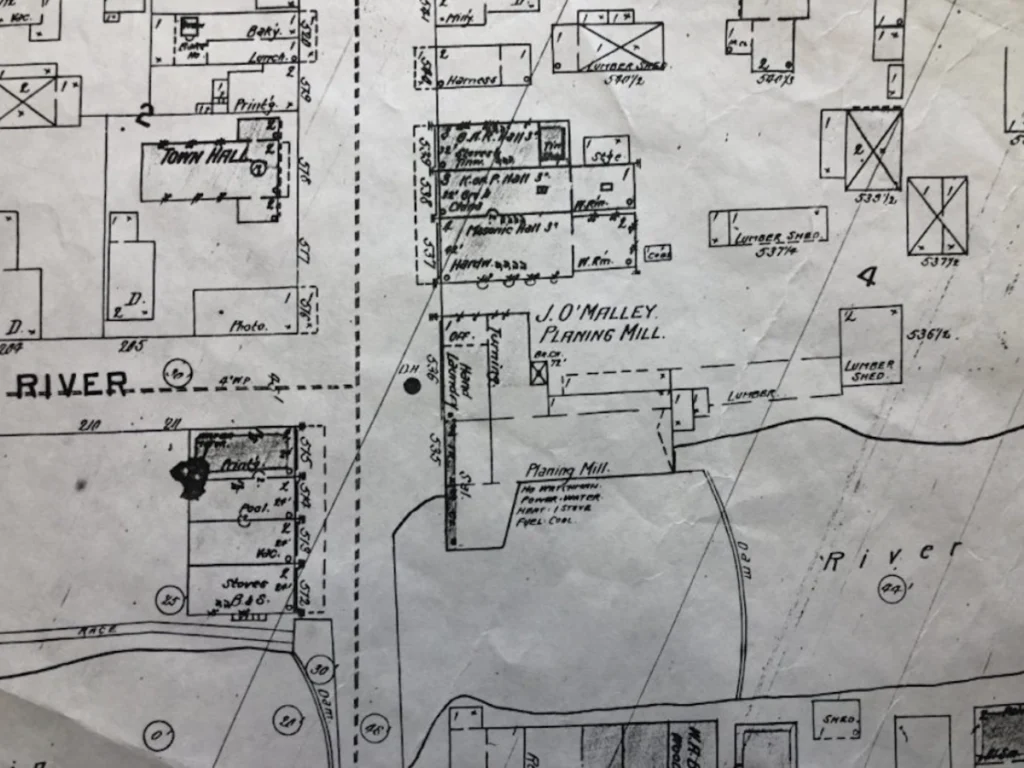
After arriving in Chagrin Falls, O’Malley established a planing mill on River Street. He eventually relocated his operation to Main Street, on the north side of the Falls.
The mill played an important role in supplying finished lumber and wood products for local construction projects. Much of the shiplap siding found on homes and outbuildings constructed between 1870 and 1900 is believed to have come from O’Malley’s mill.
Shiplap siding, made from overlapping wooden boards, was widely used on buildings during this period. Its presence on so many surviving structures reflects the lasting influence of O’Malley’s woodworking business on the historic architecture of Chagrin Falls.
Historic Chagrin Falls Homes Featuring O’Malley’s Craftsmanship
O’Malley’s skill as a carpenter and woodworker is reflected in numerous historic buildings throughout the Village. His detailed workmanship complemented the decorative features associated with Eastlake and Italianate architecture, helping give many 19th-century homes their distinctive character.
Notable examples of his work include:
- Chagrin Falls History Center, 87 East Washington Street: A historic building associated with the Village’s architectural heritage.
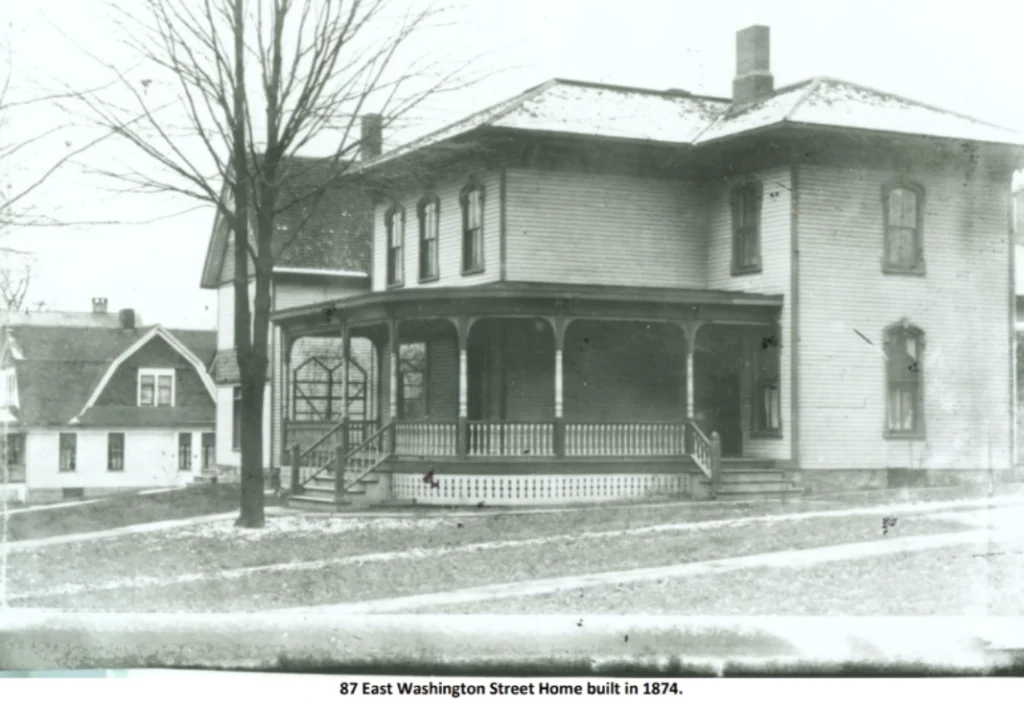
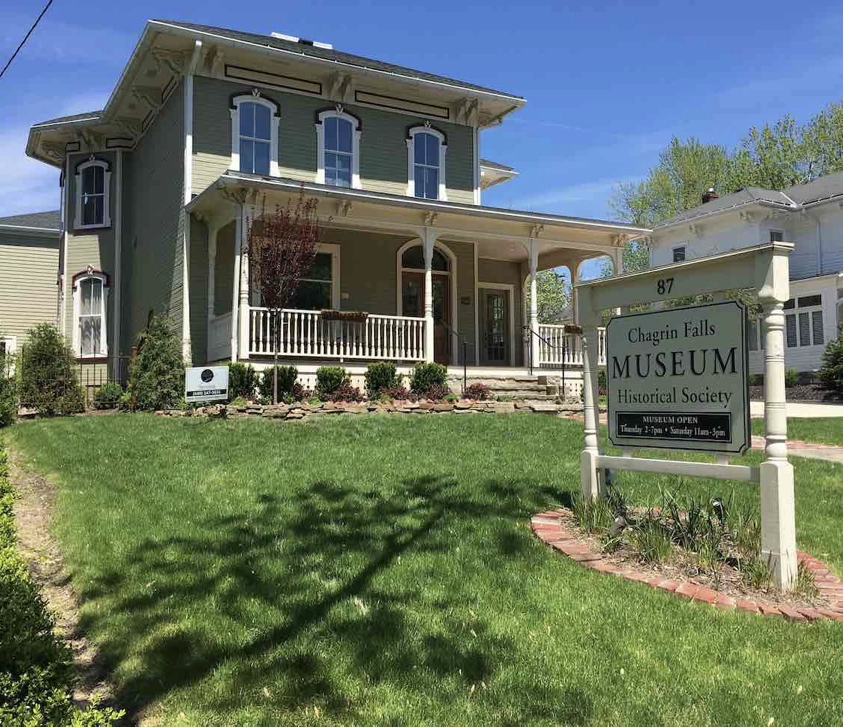
- 120 East Washington Street: One of the local homes identified as an example of O’Malley’s craftsmanship.
- 136 East Washington Street: Another residence showcasing the traditional woodworking associated with his work.
These properties offer a glimpse into the quality of residential construction in Chagrin Falls during the late 1800s.
The Matching Homes on Water Street

Two particularly interesting examples of O’Malley’s work stand on Water Street. He built the beautiful home at 56 Water Street for local merchant Z. K. Eggleston.
O’Malley admired the house so much that he subsequently built a nearly identical home for himself at 68 Water Street. The two residences, designed as mirror images of one another, provide a distinctive example of his architectural vision and attention to detail.
Their similarity also offers a personal glimpse into O’Malley’s appreciation for his own work: he valued the design enough to choose it for his own home.
Joseph O’Malley’s Lasting Legacy in Chagrin Falls
Joseph O’Malley died in 1900, but his influence remains visible in the historic homes and buildings of Chagrin Falls. Through his planing mill, he supplied materials that helped shape the Village’s built environment, while his work as a master carpenter contributed to the distinctive character of its residential architecture.
From the decorative woodwork of Eastlake and Italianate homes to the shiplap siding found on buildings throughout the community, O’Malley’s craftsmanship represents an important part of Chagrin Falls history.
Today, the historic properties associated with his work provide a lasting reminder of the skilled craftspeople whose talents helped define the Village during the late 19th century.