
Chagrin Falls’ Historic Cast Iron Manufacturing Giant (1834–1892)
One of the most important industries in early Chagrin Falls, Ohio, the Williams Foundry helped establish the village as a center of manufacturing and innovation during the nineteenth century.New Headline
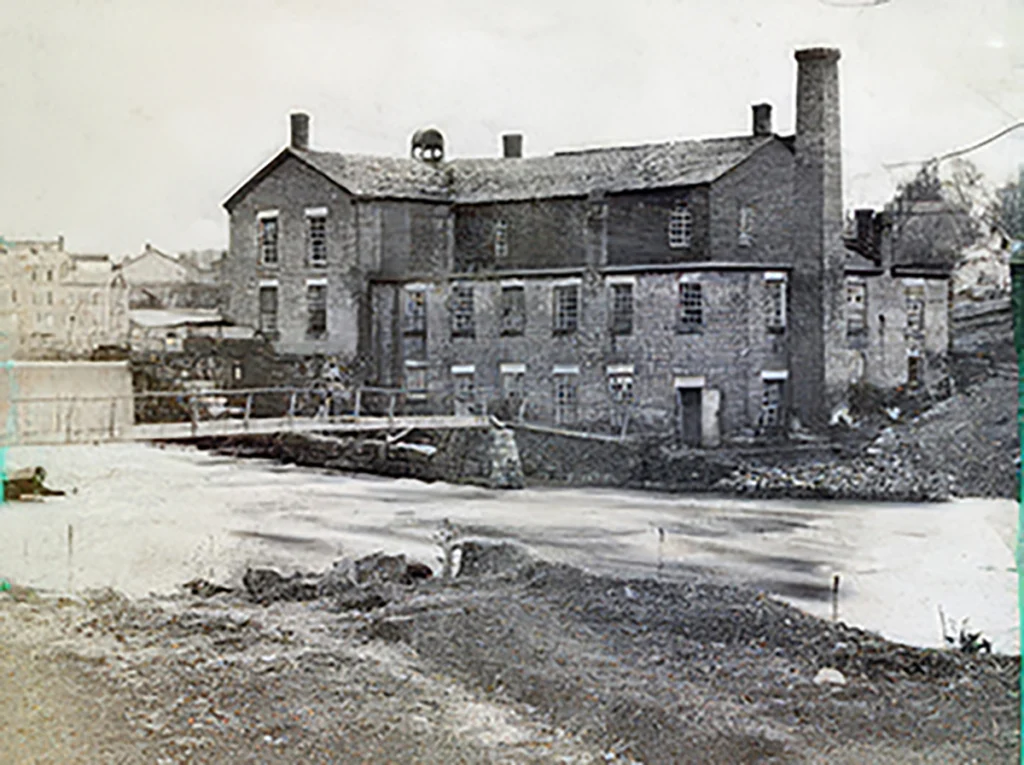
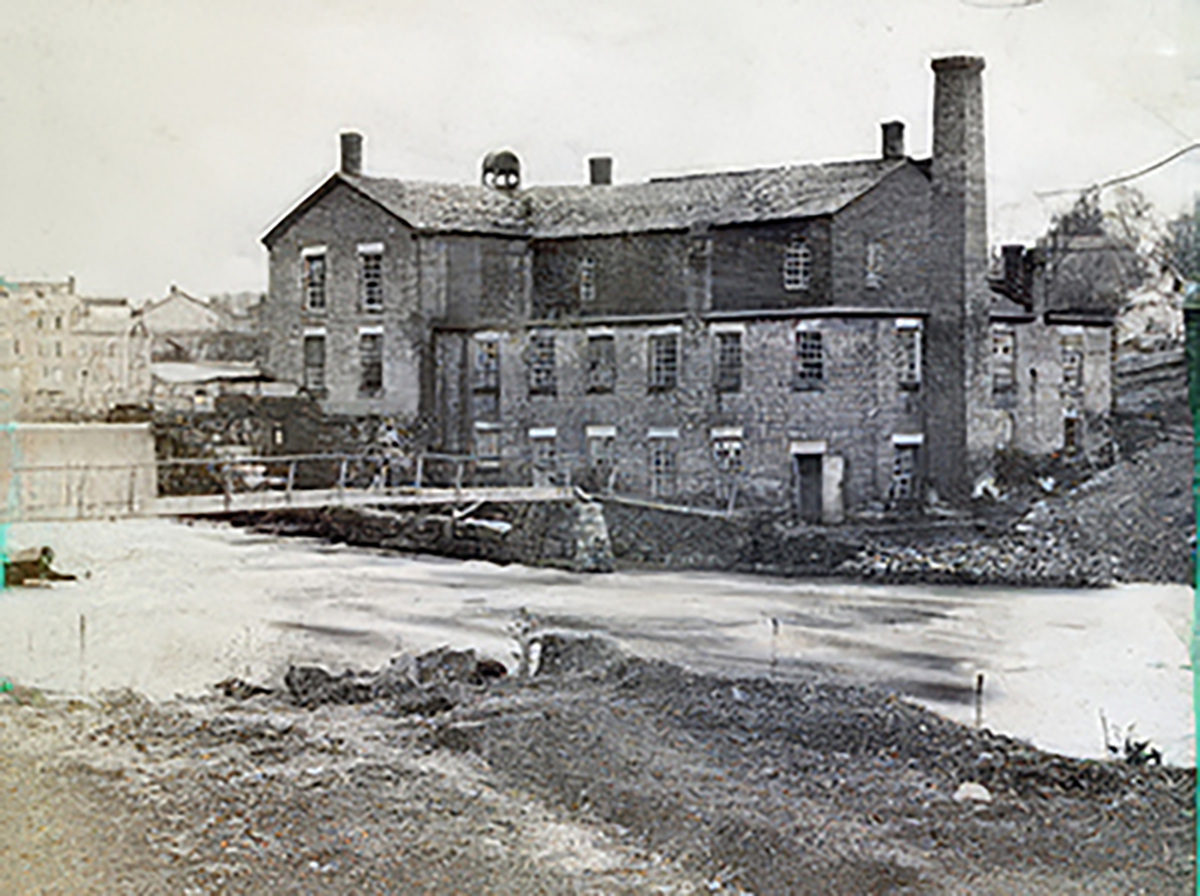
Williams Foundry
A Leading Cast Iron Manufacturer in Chagrin Falls
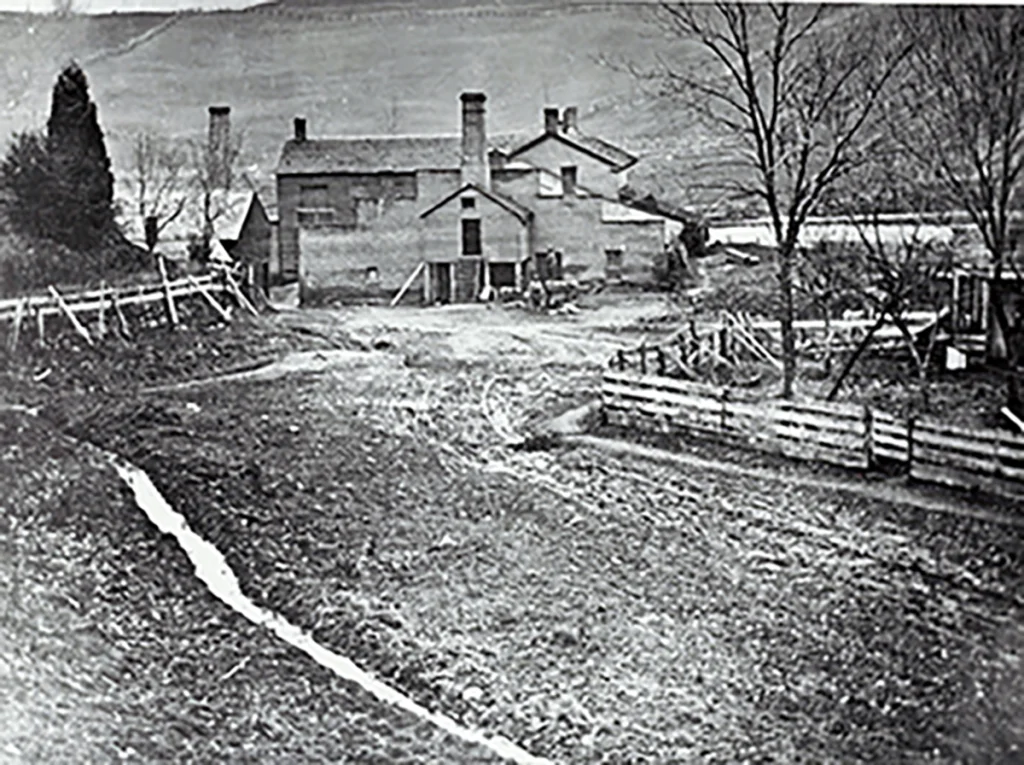
The Williams Foundry was located west of the Main Street Bridge, near the intersection of West Washington and Church Streets in Chagrin Falls, Ohio. During the nineteenth century, it became one of the village’s largest and most successful manufacturing businesses, producing a wide variety of cast iron products that were sold throughout the United States.
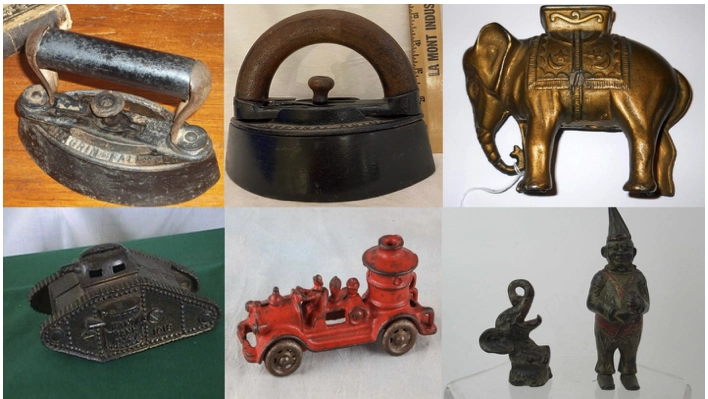
The foundry gained national recognition as one of the country’s leading manufacturers of sad irons, the heavy cast iron tools used for pressing clothing before the invention of electric irons. At the height of production, the Williams Foundry was manufacturing an impressive 1,500 sad irons per day.
In addition to sad irons, the company produced cast iron stoves, decorative mechanical banks, and architectural ironwork. Their craftsmanship could be seen in cast iron columns, pillars, and ornamental window treatments used on commercial buildings throughout the region. Examples of Williams Foundry ironwork can still be viewed on the historic Chagrin Hardware Store building.
Products Manufactured by the Williams Foundry
- Sad irons (clothes irons)
- Cast iron stoves
- Decorative cast iron banks
- Architectural ironwork
- Building columns and pillars
- Window treatments and ornamental castings
Origin of Williams Foundry
The Williams Foundry began with the first dam constructed on the Chagrin River in Chagrin Falls by Chester Bushnell in 1834. The dam initially powered a sawmill located on the north side of the river and helped launch the village’s early industrial development.
Three years later, in 1837, Sam Nettleton built a furnace and foundry building on the south side of the river, establishing one of the earliest iron manufacturing operations in Chagrin Falls. This facility would eventually evolve into the Williams Foundry.
The Williams Family and the Growth of the Business
In 1840, Reverend Benajah Williams purchased the Nettleton foundry and began expanding the operation. Four years later, in 1844, his son John W. Williams acquired the business and transformed it into a thriving manufacturing enterprise.
The company continued to grow under family ownership. In 1865, John’s son, Adam C. Williams, joined the business, leading to the formation of J.W. Williams & Son Company. Adam eventually purchased the company outright in 1886 and continued to expand its reputation for quality cast iron products.
Under the Williams family, the foundry became one of the most important employers in Chagrin Falls and a major contributor to the local economy.
Floods, Fires, and Repeated Rebuilding Efforts
Like many nineteenth-century industries located along rivers, the Williams Foundry faced numerous natural disasters.
In 1878, a devastating flood nearly destroyed the facility. The foundry was rebuilt, only to suffer additional damage during another major flood in 1883.
Even greater challenges came from fire. In 1889, a catastrophic blaze completely destroyed the foundry. At the time, Adam C. Williams was in Chicago attending a theatrical performance and received word of the disaster while at the play. Upon returning to Chagrin Falls, he discovered the foundry had been reduced to ruins and that insurance proceeds would not be enough to rebuild.
In a remarkable demonstration of community spirit, local residents and foundry employees contributed labor, materials, and financial support to help rebuild the business. Thanks to their efforts, the foundry soon resumed operations.
The End of an Era in Chagrin Falls
Tragedy struck once again in 1892 when another fire destroyed the foundry. After enduring multiple floods and fires, Williams concluded that rebuilding in Chagrin Falls was no longer practical. The village lacked an adequately equipped fire department capable of protecting such a large industrial facility.
As a result, the company relocated its operations to Ravenna, Ohio, where the business continued to operate and build upon the manufacturing legacy established in Chagrin Falls.